Foundation & Stem Wall Repair
Foundation and stem wall issues in Queen Creek almost always trace back to the same expansive soil that moves driveways and patios — we assess the real cause before recommending a fix.
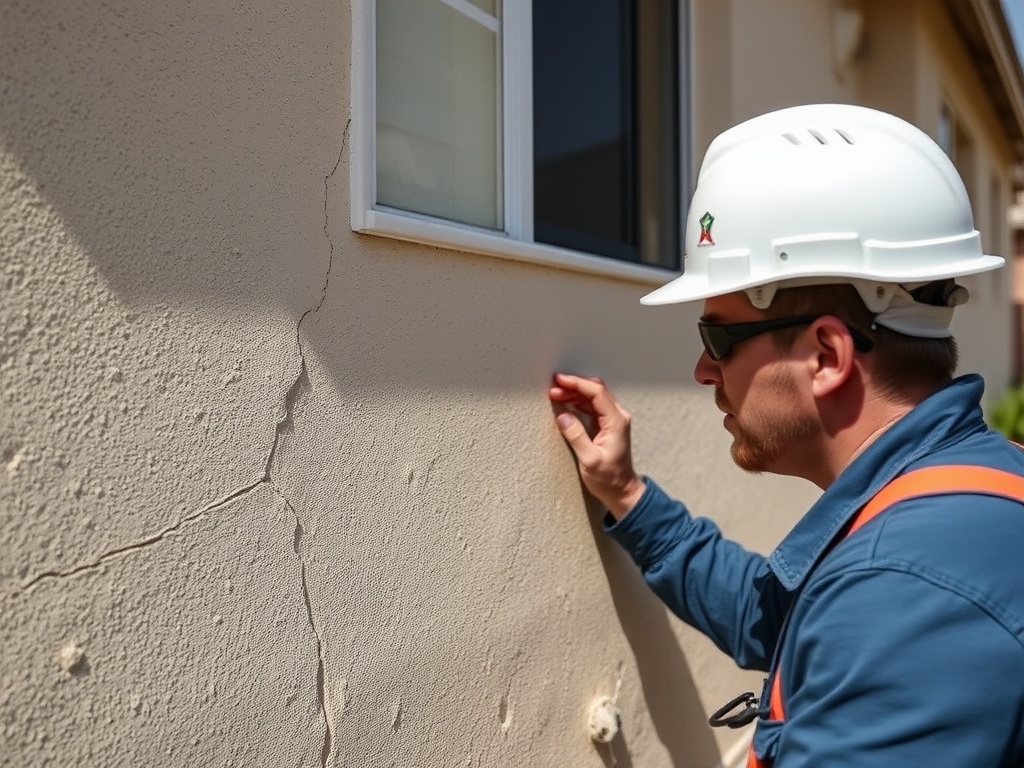
Most Queen Creek homes are built on either a monolithic slab or a stem-wall-and-post-tension-slab foundation, both poured directly onto the same expansive clay and caliche soil profile that affects every other slab on the property. When that soil goes through severe monsoon-to-dry-season swings, foundations can show it — stem wall cracking or spalling (surface flaking of the concrete), interior slab cracks, doors and windows that start sticking, or visible separation where an addition or porch meets the main structure.
Foundation work is more serious than driveway or patio repair, and we treat it that way: a proper assessment first, an honest read on whether you're looking at cosmetic stem wall spalling or something that needs deeper stabilization, and a clear explanation of the recommended fix before any work starts.
Why property owners choose it
- Correctly diagnoses whether cracking is cosmetic surface spalling or a sign of deeper settlement.
- Addresses the underlying soil-moisture cause, not just the visible crack.
- Stem wall and exterior foundation crack repair protects against further water intrusion during monsoon season.
- Careful, methodical approach appropriate to a structural system, not a quick patch.
- Clear, honest scoping before any work begins — we won't recommend more than the situation calls for.
What causes foundation movement in Queen Creek
The same mechanism that settles a driveway settles a foundation: expansive clay soil swelling during monsoon moisture and shrinking through the long dry season, repeated year after year. Poor drainage around the foundation perimeter — gutters dumping water next to the stem wall, grading that slopes toward the house instead of away from it — dramatically accelerates this cycle by concentrating moisture exactly where you don't want soil swinging between wet and dry the most.
- Grading and drainage correction is often the single highest-impact fix
- Consistent, moderate soil moisture (not wet/dry extremes) is the goal, not eliminating moisture entirely
- Stem wall crack sealing prevents water intrusion that worsens the underlying problem
When to call a structural engineer instead
We're concrete and foundation-adjacent repair specialists, not structural engineers — and we'll tell you plainly when a crack pattern, degree of settlement, or type of movement is beyond what concrete repair alone should address. For significant structural concerns, we'll recommend a licensed structural engineer's evaluation before any repair work proceeds, because getting that diagnosis right matters more than moving fast.
Ideal for
- Visible stem wall cracking or spalling around the foundation perimeter
- Interior slab cracks that appear to be widening
- Doors or windows that have started sticking or misaligning
- Visible separation between an addition, porch, or garage and the main foundation
What affects the cost
Foundation Repair questions, answered
Not always — surface spalling (flaking or crumbling of the outer concrete layer) is often cosmetic and related to original finishing or minor moisture exposure rather than structural settlement. But any crack that's widening, running at a diagonal, or paired with sticking doors and windows warrants a proper assessment rather than assuming it's minor.
In a lot of Queen Creek cases, yes — concentrated water at the foundation perimeter from poor grading or a downspout dumping right next to the stem wall is one of the most common accelerators of expansive-soil movement we see. Correcting drainage doesn't undo existing damage, but it's often the most cost-effective way to slow or stop further movement.
Foundation Repair done right, by a local Queen Creek crew
Foundation Repair isn't a commodity — the result depends entirely on how carefully it's diagnosed and executed for your specific slab and Queen Creek's real expansive soil. We assess what your concrete actually needs, prep the site properly, and work to the method that fits the problem, so the result holds up instead of needing the same fix again in a few years.
We serve Queen Creek, San Tan Valley, Gilbert, Chandler, Mesa, Apache Junction, Florence, and Coolidge. Every job starts with a free, no-pressure on-site assessment.
Just as important, we treat your property like the system it is. Concrete, drainage, and grading all interact, and fixing one while ignoring the others leaves the underlying cause in place. When we scope your foundation repair, we look at how it fits the whole picture — so the finished result performs the way it should, holds up through the next monsoon season, and actually solves the problem you called about.
Free assessment
We evaluate the concrete and give you a clear, itemized estimate.
Expert execution
We prep the site and complete your foundation repair to spec — clean and on schedule.
A fix that holds
A properly diagnosed repair, honest advice, and work built for real Queen Creek soil.
Related services
Ready for a free foundation repair estimate?
Tell us about your driveway, patio, or slab and we'll put together a clear, no-pressure estimate — built for Queen Creek's real soil and climate.