Monsoon Season and Your Concrete: A Pre- and Post-Storm Checklist for Queen Creek Homeowners
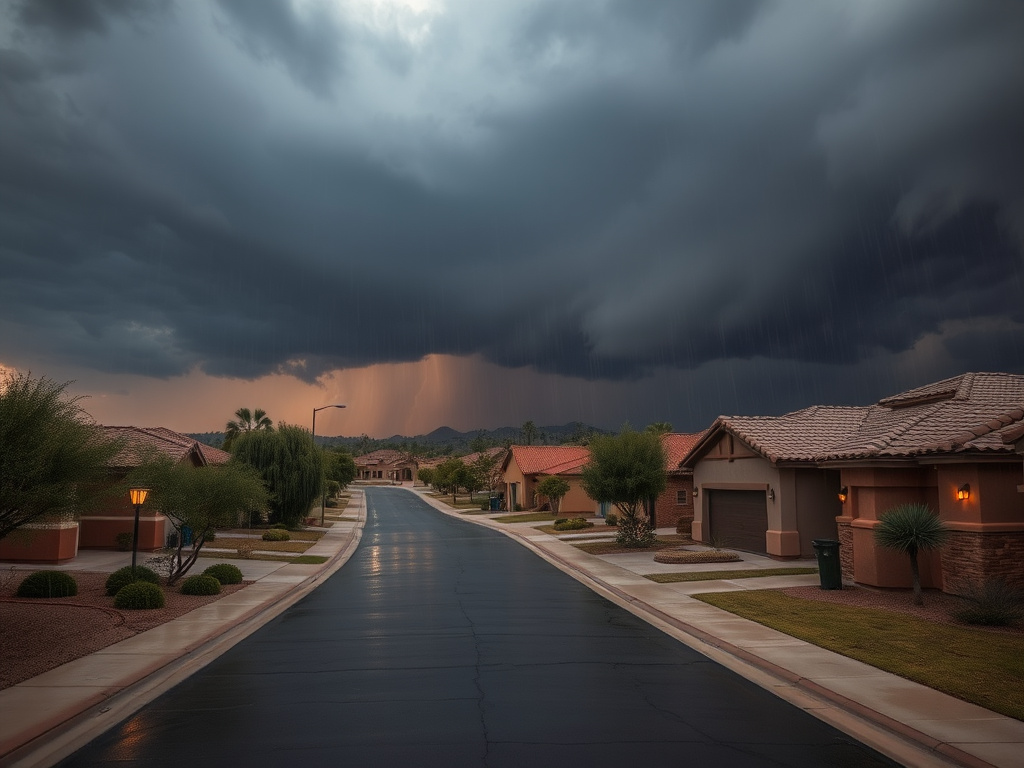
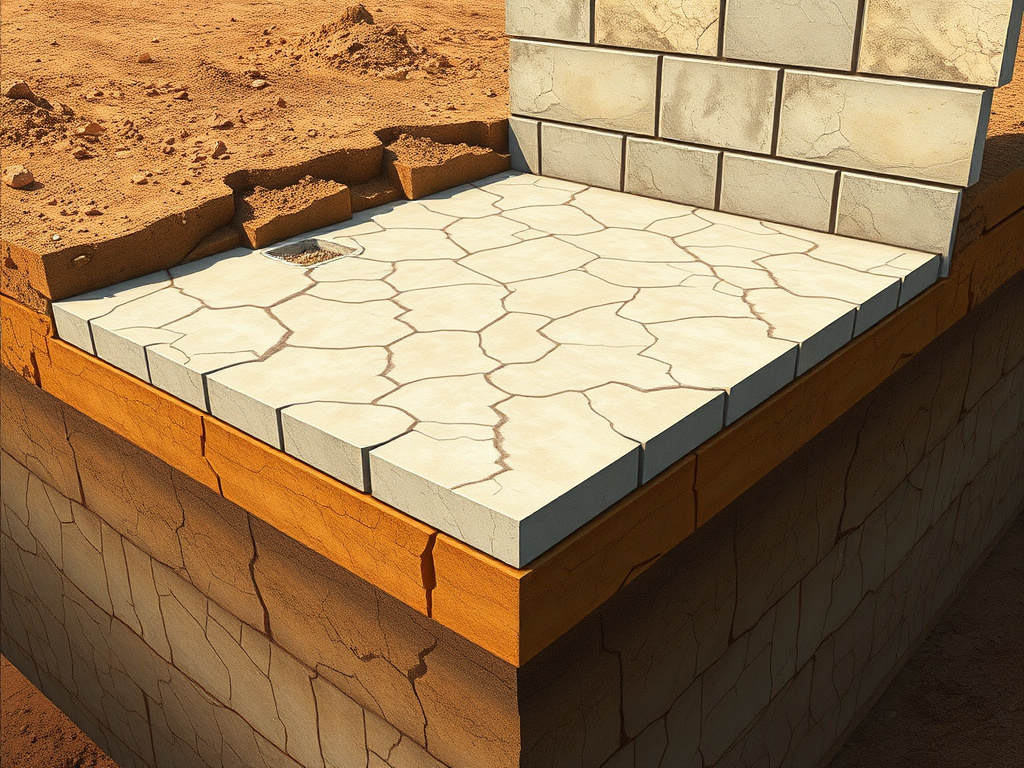
Arizona's monsoon season — roughly mid-June through the end of September — brings the year's most concentrated rainfall to Queen Creek, often in short, intense bursts that dump more water in an hour than the rest of the month combined. For concrete sitting on expansive clay and caliche soil, that's exactly the kind of moisture swing that accelerates settlement, cracking, and drainage-related damage. A little attention before and after the season can catch small problems while they're still cheap and easy to fix.
Before monsoon season: what to check
Existing cracks
Walk your driveway, patio, sidewalks, and any exposed foundation or stem wall areas and note any cracks you haven't addressed yet. A stable hairline crack sealed before the monsoon keeps water from working its way in and expanding the problem over the season — sealing it after months of moisture intrusion is treating a bigger problem than the one you started with.
Drainage and grading
Confirm that grading around your home's perimeter slopes away from the foundation, not toward it. Check that downspouts discharge water well away from stem walls and slab edges rather than directly against them. This is one of the single highest-impact, lowest-cost things a homeowner can do to reduce monsoon-related concrete damage — it's simply keeping concentrated water away from the exact soil where you don't want extreme wet/dry swings happening.
Control joints and sealant
Check that control joints on driveways and patios are clear of debris and, if previously sealed, that the sealant hasn't degraded or pulled away. Joints are designed to be the slab's controlled release point for movement — keeping them functional (and sealed against water intrusion) helps them keep doing that job through the season.
Stamped and decorative concrete sealer
If you have stamped or decorative concrete, confirm your sealer is current — a quality, intact sealer is meaningfully more water- and stain-resistant during heavy monsoon rain than a sealer that's overdue for reapplication.
- Seal any stable hairline cracks before the season starts
- Confirm grading slopes away from the foundation on all sides
- Redirect downspouts away from stem walls and slab edges
- Clear and inspect control joints
- Refresh sealer on stamped or decorative surfaces if it's due
After a major storm: what to check
After any significant monsoon storm — especially one with visible street or yard flooding — it's worth a quick walk-through of your concrete while the effects are still fresh and easy to spot.
New or widened cracks
Compare against your pre-season notes if you took any. A crack that appeared suddenly, or one that visibly widened, is worth having assessed rather than assuming it's cosmetic — sudden change after heavy rain can indicate the soil beneath moved more than usual.
Standing water or ponding
Note any spots where water pooled against the foundation, under a patio, or along a driveway edge for an extended period after the rain stopped. Standing water against concrete is one of the more direct ways monsoon storms feed the expansive-soil swell-shrink cycle right where you don't want it.
New settlement or unevenness
Check for any new tripping lip at a sidewalk joint, a driveway section that feels different underfoot, or a patio corner that's visibly tipped more than before. Settlement after a heavy monsoon event, particularly one with significant standing water, is common enough that it's worth a proactive check rather than waiting to notice it months later.
Why catching monsoon damage early matters
The pattern we see most often isn't one dramatic storm causing a dramatic failure — it's small, unaddressed issues (a hairline crack, a downspout draining the wrong direction, a control joint with failed sealant) compounding over several monsoon seasons into a bigger repair. A five-minute walk-through before the season starts and after any major storm is genuinely one of the most cost-effective things a Queen Creek homeowner can do for their concrete's long-term condition.
Frequently asked questions
It's not off-limits, but it requires more careful scheduling and curing management, since heavy rain can affect fresh concrete and can delay open excavation or base-prep work. Spring and fall generally offer the most straightforward conditions for new pours, though summer projects are entirely workable with the right planning around forecasted storms.
Yes. Concentrated water against a stem wall or foundation perimeter during a heavy monsoon event can accelerate the same expansive-soil swell-shrink movement that affects driveways and patios, and in more severe or repeated cases can contribute to stem wall cracking or spalling. Good drainage and grading around the foundation is one of the most effective ways to reduce that risk.
Ready for a free estimate?
Tell us about your project and we'll build a clear, no-pressure estimate.